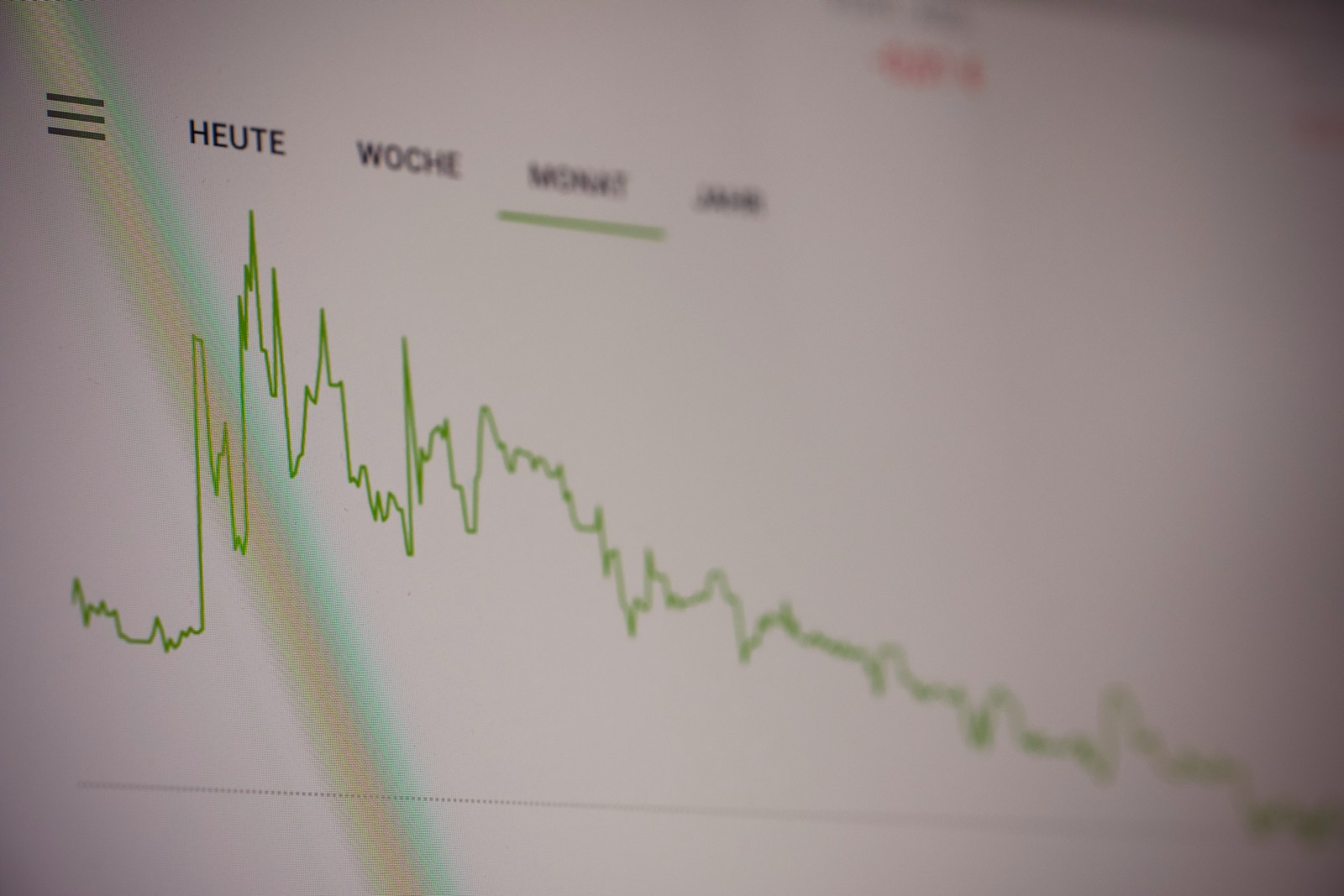
The April 2026 Google Core Update finished rolling out earlier this month, and the after-shocks are still hitting affiliate sites, programmatic SEO operations, and thin AI-generated content harder than any update since the September 2023 Helpful Content Update. If your traffic dropped between April 5 and April 18, this update is the most likely cause.
This post breaks down what changed, who got hit hardest, and the recovery moves that are actually working in the real world — not the recycled "make great content" advice that has stopped being useful.
Google's announcement was deliberately vague: "broad core update, refined our ranking systems for relevance and reliability." The Search Liaison account did add one important clarification a week into the rollout: sites that wrap third-party content or AI-rewritten content as their own primary value are being demoted more aggressively. That single line is the one to internalize.
The clearest patterns we are seeing across audited sites:
Winners cluster into three groups: original first-party data publishers, sites with clear named-author expertise (real bylines, real LinkedIn profiles, real prior work), and small operator-run sites where the content tracks back to lived experience. The pattern is consistent — Google is rewarding signals it can verify exist outside the page itself.
Pull every URL that lost more than 30 percent of its traffic. For each one, ask: if a competitor took my exact page and removed everything that came from a manufacturer spec sheet, an LLM, or a competitor's site, what would be left? If the answer is "very little," that page needs a rebuild or a noindex.
Real product photos taken by you, real screenshots from your own dashboard, real timing data from your own tests, real quotes from real customers with real names. Schema markup helps these signals get parsed correctly — Review, Product, and HowTo with author attribution and date stamps.
"Admin" and "Staff Writer" bylines are now a soft negative signal. Real names with linked author pages, real bios with verifiable credentials, and real prior publication history are clearing through the update at a much higher rate.
If you are publishing more than three or four posts a week and those posts are not coming from genuine domain expertise, slow down. The April update is rewarding fewer-but-deeper. We are seeing sites recover by cutting publishing volume by 70 percent and rewriting their best 20 percent.
Internal linking that connects shallow pages to other shallow pages used to compound. After this update it is now a negative signal. Restructure so your strong pages anchor the cluster and the weak pages either get strengthened or pruned.
Do not panic-disavow your backlinks — this update is not a link-quality update, and disavow files submitted reactively are causing additional damage in a meaningful number of cases. Do not redirect dropped pages to your homepage — Google now treats this as a soft 404 and passes nothing. Do not buy "AI undetector" rewriting services — classifier coverage is now broad enough that the detect-and-rewrite cycle is a losing arms race.
Realistic recovery from a core update typically takes one full update cycle — 8 to 12 weeks — provided the underlying content quality issues actually get fixed. Sites that just rearrange the deck chairs without addressing the root cause typically take two cycles or never recover.
The April 2026 Core Update is a continuation of a multi-year direction, not a surprise. Google is building a search index where verifiable first-party signals consistently beat scaled wrapper content, and the bar keeps moving up. The sites recovering fastest are the ones treating this update as the prompt to finally do the unglamorous work they have been deferring.
If you are not sure where to start, our free SEO audit will flag the specific pages on your site that match the patterns this update is targeting.